

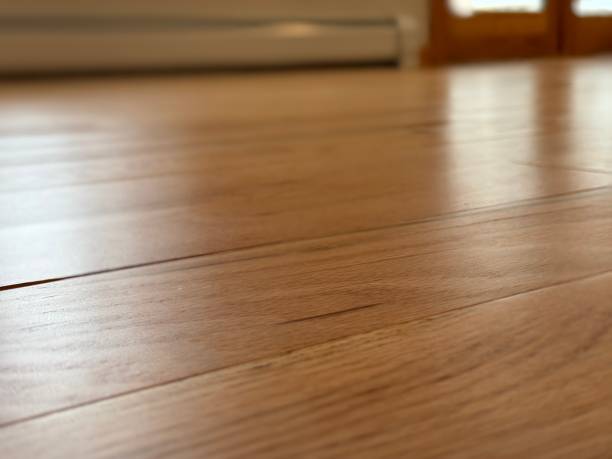
Does Hardwood Flooring Thickness Matter? Here’s Why It Does
Hardwood floors have a timeless appeal, don’t they? They bring warmth, depth, and a sense of stability into any space. But once people start researching hardwood flooring, one question always comes up:
Does Thickness Actually Matter?
The answer is yes — and more than most people expect. At Victorian Designer Floors, we’ve helped countless homeowners and businesses with hardwood floor installation, repairs, and hardwood floor refinishing services, and we can confidently say that thickness affects how your floor looks, feels, and performs long-term. Let’s break it down.
Thickness = Durability
The thickness of a hardwood board directly influences how long it will last. More thickness simply means more timber — which equals more strength, more stability, and more opportunities for refinishing.
Thinner boards (10–12mm)
- More affordable
- Suitable for lighter-use areas
- Limited refinishing potential
Mid-range boards (14–15mm)
- Common choice for most homes
- Functional, versatile, cost-effective
- Suitable for one to two refinishes
Thicker boards (18–20mm+)
- The premium option
- Can be sanded and refinished many times
- Offers the greatest long-term value
Thickness is the difference between being able to rely on hardwood floor refinishing services for decades — or needing to replace your flooring sooner.
Installation: Thickness and Stability
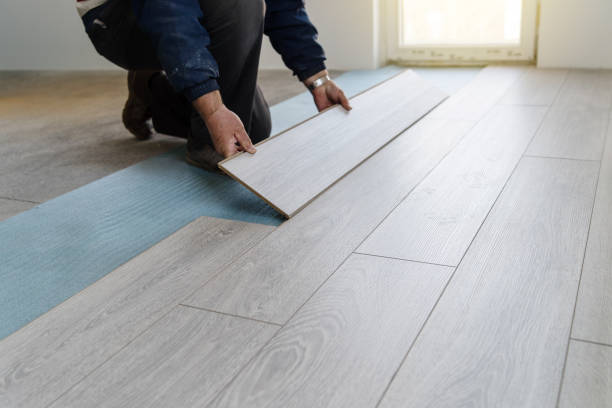
During installation, thickness plays a major role in how stable your flooring will be over time.
Thicker boards tend to stay flatter and resist movement when Melbourne’s humidity and temperature change.
Solid hardwood
Naturally thicker and known for its luxurious, solid underfoot feel.
Engineered hardwood
Comes in various thicknesses, and what matters most is the wear layer.
The thicker the wear layer, the more times the floor can be refinished.
Clients often say thicker floors simply feel better to walk on — and that tactile experience is one of the best parts of hardwood flooring.
Refinishing Potential = Long-Term Savings
Thickness directly impacts how many times your floor can be sanded and refreshed.
- Thin floors: typically one refinishing
- Mid-thickness floors: two to three refinishes
- Thick floors: multiple refinishes over several decades
Thicker boards may cost more upfront, but they save you money long-term by extending your floor’s lifespan.
Style and Aesthetic Impact
Thickness affects more than durability — it also influences style.
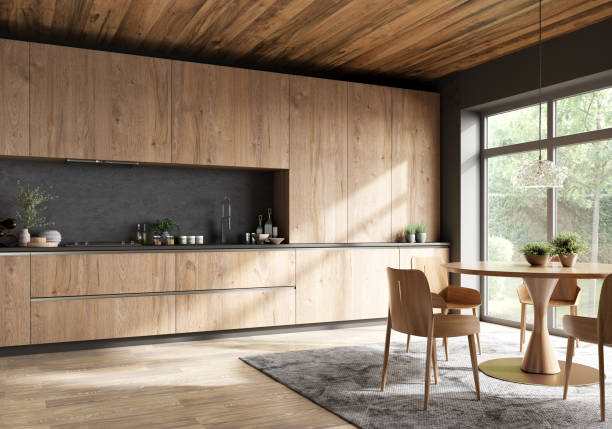
Thicker boards often come in wider planks, which are currently one of the biggest trends in hardwood flooring Melbourne.
- Wide planks showcase the timber grain beautifully and create a modern, spacious feel
- Narrow planks offer a classic, traditional look
Choosing thickness is often part of choosing the visual identity of your space.
Why Thickness Matters Even More in Commercial Spaces
Commercial flooring deals with:
- Heavy foot traffic
- Furniture movement
- Equipment or machinery
- Frequent cleaning cycles
Thicker boards withstand these demands far better and can be refinished more often for maintenance.
They also provide the added bonus of sound insulation, which is valuable in retail, offices, and hospitality settings.
This is why thicker boards are our first recommendation for any commercial flooring Melbourne project. They deliver durability and premium design in one package.
Repairs and Maintenance
Life happens — scratches, dents, wear, and spills. Thicker boards simply hold up better.
Because they allow deeper sanding and cleaner board replacement, they’re a great choice for families with kids or pets.
This is why many flooring suppliers Melbourne highlight thickness as a key feature when helping customers choose the right product.
Sustainability and Long-Term Value
Thicker hardwood floors are a more sustainable option because they last significantly longer. Instead of replacing floors every decade, you can refinish a quality hardwood installation many times — producing far less waste.
They also offer excellent resale value, as buyers consistently prioritise durable, long-lasting hardwood flooring.
How to Choose the Right Thickness
Here’s a simple, practical guide:
- Homeowners staying long-term: Choose thicker boards for flexibility and longevity
- Rental properties: Mid-thickness boards for cost efficiency and durability
- Commercial spaces: Thickest boards for traffic and refinishing cycles
- Budget-conscious buyers: Thin boards are acceptable, as long as you understand refinishing limitations
At Victorian Designer Floors, we always begin by understanding your space, lifestyle, and goals. Thickness isn’t one-size-fits-all — it’s about choosing what supports your needs now and in the future.
Why Victorian Designer Floors
Flooring isn’t just about the trend of the moment — it’s about trusting the team behind your project.
With years of craftsmanship and a genuine passion for timber, we approach every floor with care and expertise.
Whether you need:
- hardwood floor installation,
- hardwood floor refinishing services, or
- advice from experienced flooring suppliers Melbourne,
…we treat your floor as if it were our own — with precision, honest guidance, and results that last.
Final Thoughts — Thickness Is the Unsung Hero
Hardwood flooring thickness may seem like a small detail, but it’s one of the most important factors influencing performance, durability, and style.
From how your floor ages to how it can be refinished, thickness shapes the entire experience of living with hardwood.
At Victorian Designer Floors, hardwood flooring is never just a trend. It’s the foundation of your lifestyle — something meant to endure, evolve, and grow with your home or business.
Yes, thickness matters.
And choosing the right one is the difference between a floor that lasts a few years — and one that becomes part of your story for generations.
Leave A Comment
You must be logged in to post a comment.
Click here to log in