

Why Quality Timber Flooring Glue Matters
Not all timber glue is the same quality, and cutting corners here is one of the most common (and costly) mistakes in flooring installation. A poor-quality or incorrectly matched hardwood floor sealant can lead to:
- Movement and gapping, including boards lifting, creaking, or separating as temperatures and humidity shift
- Moisture damage, such as swelling, cupping, or mould developing beneath the surface
- Bond failure, where planks come loose in high-traffic areas over time
- Voided warranties. Many timber flooring manufacturers require a specific adhesive type to keep warranty cover valid
A premium flooring adhesive creates a stable, flexible bond that moves with your timber, which is exactly why we only stock trade-grade, Australian-suited formulations.
What Timber Flooring Adhesive Is Used For
Timber floor adhesive is primarily used to permanently bond solid or engineered boards directly to a concrete or plywood subfloor, commonly known as a "glue-down" or "direct-stick" installation. It's a popular method for engineered timber flooring, including intricate layouts like herringbone flooring, where a secure, gap-free bond is essential to keep the pattern crisp and stable.
Species such as French oak flooring and messmate timber flooring are also commonly glued down, particularly in areas with underfloor heating or slab subfloors.
It's worth noting that not every timber floor requires adhesive. If you've chosen floating floorboards, the boards click together and "float" above an underlay, so glue generally isn't needed at the joints, though a moisture barrier is still often recommended.
Our team can advise which installation method (and which adhesive, if any) suits your subfloor and flooring choice.
How to Use Timber Flooring Glue
- Prepare the subfloor: It must be clean, dry, level, and free of dust or debris. Uneven or damp subfloors are the leading cause of adhesive failure.
- Check moisture levels: Concrete slabs should be tested and, if needed, treated with a moisture barrier before applying adhesive.
- Apply evenly with the correct trowel: Spread the flooring glue using the notch size recommended by the manufacturer. Too little compromises the bond; too much causes squeeze-out and mess.
- Lay boards promptly: Work within the adhesive's open time to ensure a full, even bond.
- Allow proper curing time: Avoid walking on or sanding the floor until the adhesive has fully cured, as per the product's technical data sheet.
Timber Adhesive & Sealant Range at Victoria Designer Floors
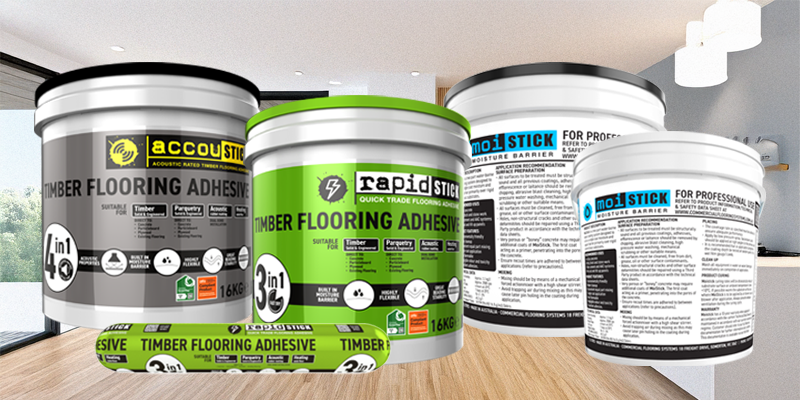
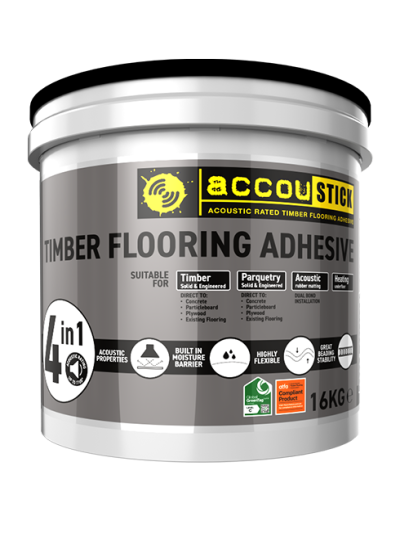
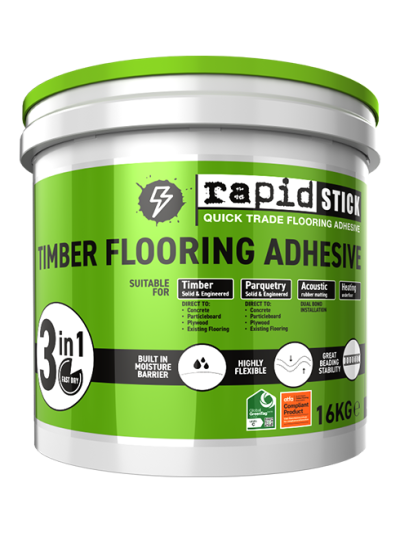
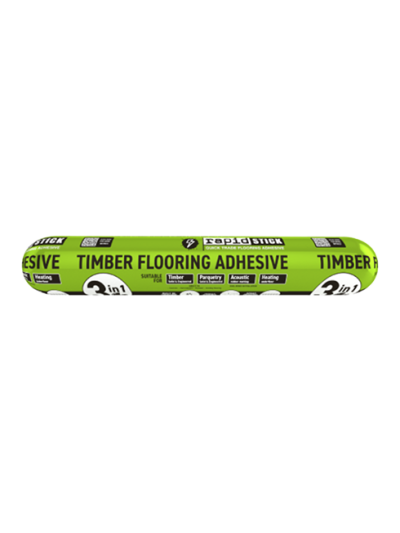
We stock a curated range of timber flooring glue and moisture protection products, available in bucket and sausage (cartridge) sizes to suit trade and DIY jobs alike:
- General-purpose timber adhesives. A reliable, high-bond option suited to most standard engineered and solid timber installations
- Rapid-setting adhesives. ideal when project timelines are tight and a faster bond is needed
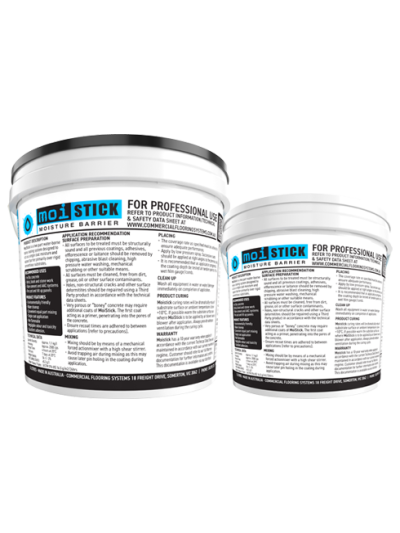
- Moisture barrier systems. A two-part epoxy solution applied ahead of adhesive to seal concrete subfloors against rising damp, particularly important for ground-floor and slab installations
- High-bond strength formulas. Built for high-traffic residential, commercial, retail, and educational environments
Every product we stock has been chosen for its performance in Australian conditions, and our team can talk you through coverage rates, drying times, and the right product for your specific subfloor.
Not Sure Which Adhesive You Need?
With over 10,000 flooring projects completed across residential, commercial, retail, and educational spaces, we've matched adhesives to nearly every subfloor-species combination.
Get in touch and we'll recommend the right timber flooring adhesive for your project, provide a fixed quote within 24 hours, and organise a custom sample if you'd like to see your flooring and finish together before you commit.